

Why Play Makes It Easier to Meet People and Make Friends as an Adult
Put 50 strangers in a room and tell them to mingle, and you’ve basically given them a social assignment.
Give those same 50 people a volleyball, a bingo card, a hiking trail, a ridiculous scavenger hunt, or something to laugh about together, and suddenly they have somewhere to start.
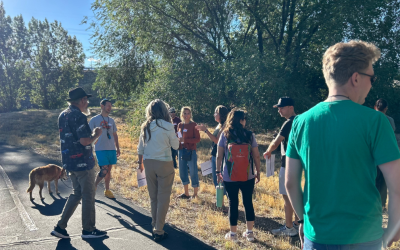
I’ve watched this happen over and over again at Have You Met? Events. People arrive not knowing anyone, and there’s usually that brief period where everyone is figuring out where to stand, what to do with their hands, and whether they should introduce themselves to the person next to them. Then the activity starts. Within a surprisingly short amount of time, people are talking, laughing, competing, helping each other, and showing pieces of their personalities that probably wouldn’t come out during a standard round of “So, what do you do?”
It turns out there’s a reason for that.
Play isn’t just something we’re supposed to leave behind with recess and summer vacation. Researchers who study play, friendship, laughter, and social connection have found that the things adults often dismiss as “just fun” can create some of the conditions that make connecting with other people easier. And for adults trying to make friends, meet new people, or date in real life, that matters.
Making Friends as an Adult Takes Time
Remember how easy friendship could be when we were kids? You sat next to someone in class, discovered you both hated dodgeball or loved the same band, and suddenly you had a new best friend.
Adult life removes a lot of those built-in opportunities for repeated interaction. We work different schedules, live farther apart, move cities, get divorced, change careers, raise families, become empty nesters, and then expect new friendships to materialize in the cracks between everything else.
Research from University of Kansas communication professor Jeffrey Hall helps explain why that can be difficult. His study of friendship formation found that it generally takes around 40 – 60 hours together to move from acquaintance to casual friend, about 80 – 100 hours to become friends, and potentially 200 or more hours to develop a close friendship. Just as interesting for those of us who create social events, time spent together in leisure activities was associated with greater friendship closeness.
That changes the way I think about meeting people. The first conversation doesn’t have to accomplish very much.
You don’t need to meet someone at an event and immediately determine whether they could become your best friend, your future partner, or even someone you want to see next weekend. You’re simply creating the first opportunity for another interaction to happen.
Play gives that first interaction something to work with.
Play Gives Us Something to Talk About Besides Ourselves
Meeting someone new can sometimes feel like an interview because we tend to rely on the same questions. Where are you from? What do you do? Do you have kids? How long have you been single?
There’s nothing wrong with those questions, but they put a lot of responsibility on the conversation itself. Both people are trying to come up with interesting things to say while simultaneously deciding whether the other person is interesting.
Shared activities change the equation.
If we’re trying to solve a scavenger-hunt clue, there’s already something to discuss. If our volleyball team just completely missed a ball that six people attempted to hit, we already have something to laugh about. If we’re hiking up a hill and both pretending we’re not out of breath, we’ve found common ground without having to manufacture it.
Play researcher and psychiatrist Dr. Stuart Brown, founder of the National Institute for Play, has spent decades studying the role play has throughout our lives. His work, which includes more than 6,000 individual play histories, connects play with creativity, resilience, social and emotional development, and human flourishing. The National Institute for Play describes play as something that supports social connection across the lifespan – not simply an activity reserved for children.
Brown’s work has reached a wide audience in part because his message is so simple: adults still need play.
Brené Brown has also talked publicly about incorporating Stuart Brown’s ideas about play into her own work and life. She has described initially struggling with the concept because unstructured, purposeless time felt uncomfortable to her, but later making play an intentional part of her family life and saying the change was significant.
I relate to that because adulthood is very good at turning everything into a task. We exercise for our health. We network for our careers. We date to find a partner. We attend events to “put ourselves out there.”
Sometimes it’s nice to just play.
Laughter Does More Than Break the Ice
One of my favorite things to watch at an event is the moment a group starts laughing together. The whole energy changes.
Research led by Oxford evolutionary psychologist Robin Dunbar, who is well known for his work on human relationships and social networks, has explored laughter as a social-bonding behavior. His research suggests that shared laughter activates the endorphin system and can increase people’s sense of social bonding. In other words, laughing together isn’t merely a pleasant side effect of connection; it may actually help facilitate it.
That makes a pretty good case for doing things that give adults permission to be a little ridiculous together.
It’s also why I love experiences where personality comes out naturally. You learn something about a person when their team is losing. You learn something when they have to make up an answer on the spot, decorate a terrible cookie, sing the wrong lyric at bingo, or figure out a challenge with three people they met ten minutes ago.
None of those moments tells you everything about someone. They do, however, give you something more interesting than a résumé.
Connection Is Good for Us, Period
There’s a larger reason all of this matters.
The U.S. Surgeon General’s work on social connection has highlighted the relationship between our social lives and our health. Its advisory reports that social isolation is associated with a 29% increased risk of premature mortality, and it encourages people to participate in fitness, hobby, professional, volunteer, and community groups as a way to foster belonging, meaning, and purpose.
That recommendation is worth paying attention to because connection doesn’t have to begin with a deeply personal conversation. Sometimes it begins with becoming a regular somewhere.
You join the Tuesday running group. You go back to volleyball. You take another class. You recognize someone from the last event. They remember your name. The next time, you talk a little longer. Eventually someone says, “A few of us are getting dinner afterward. Want to come?”
That’s how a lot of adult friendship actually happens. It grows through time, familiarity, shared experiences, and enough repeated opportunities for an acquaintance to become something more.
Singles Events Can Be About More Than Finding a Date
This is especially important in the world of singles events because putting the word singles on something can make every interaction feel more loaded than it needs to be.
Yes, people come to our events hoping they might meet someone they want to date. I love that possibility. But I also want them to meet the person who becomes their hiking buddy, the friend who goes to concerts with them, the group that starts playing pickleball together, or the people they text when they want to get out of the house on a Saturday night.
The research on friendship gives us a good reminder that meaningful relationships usually need more than one encounter anyway. The goal of a social event doesn’t have to be to walk into a room of strangers and leave three hours later with your future mapped out.
A really successful event can simply make it easier for people to meet, enjoy themselves, and have a reason to connect again.
That’s a much more natural way to build community.
Find the Kind of Play That Feels Like You
Play also doesn’t have to mean sports or organized games. The National Institute for Play emphasizes that play is highly personal. What feels playful and energizing to one person may feel completely different to another.
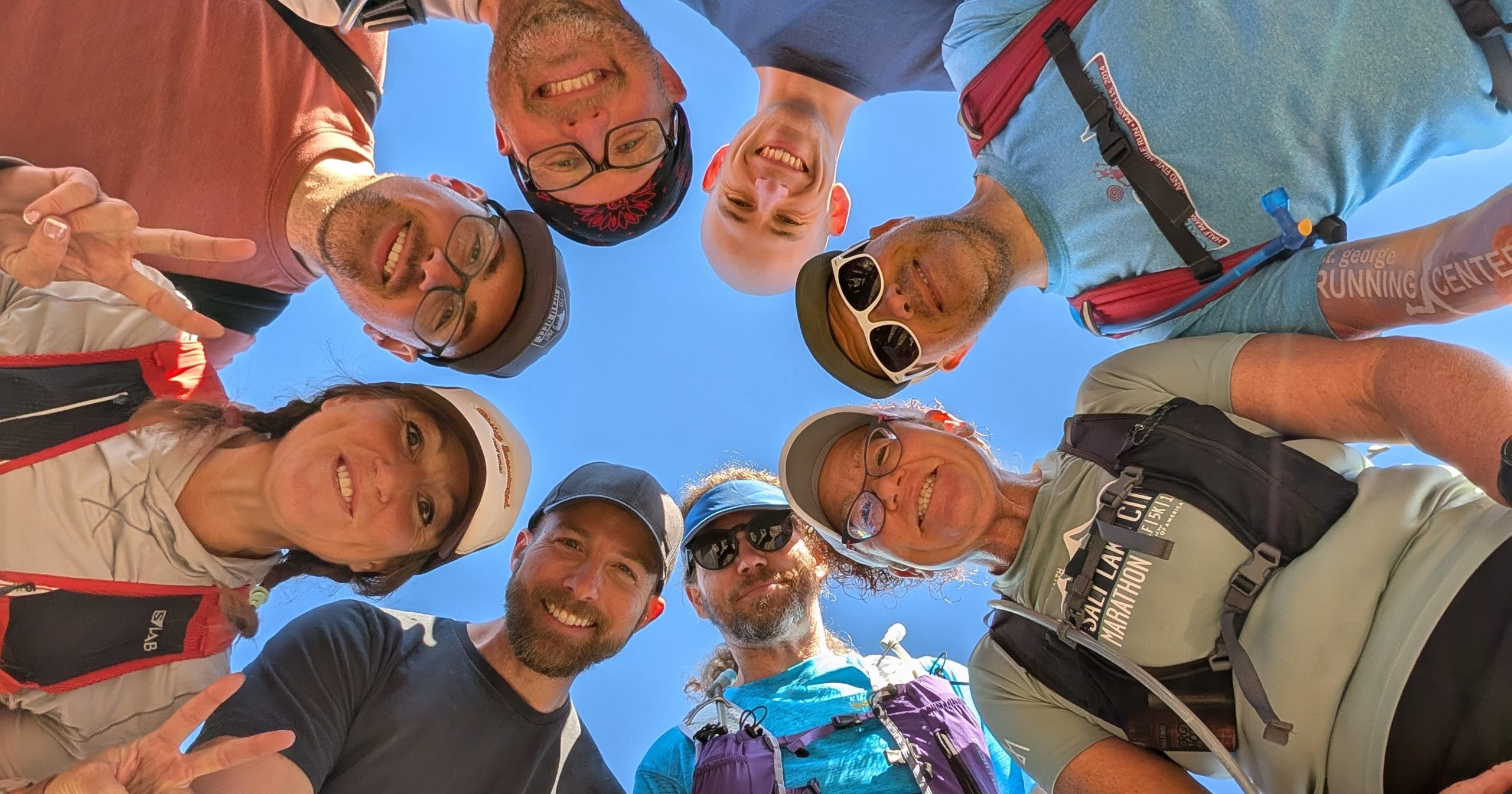
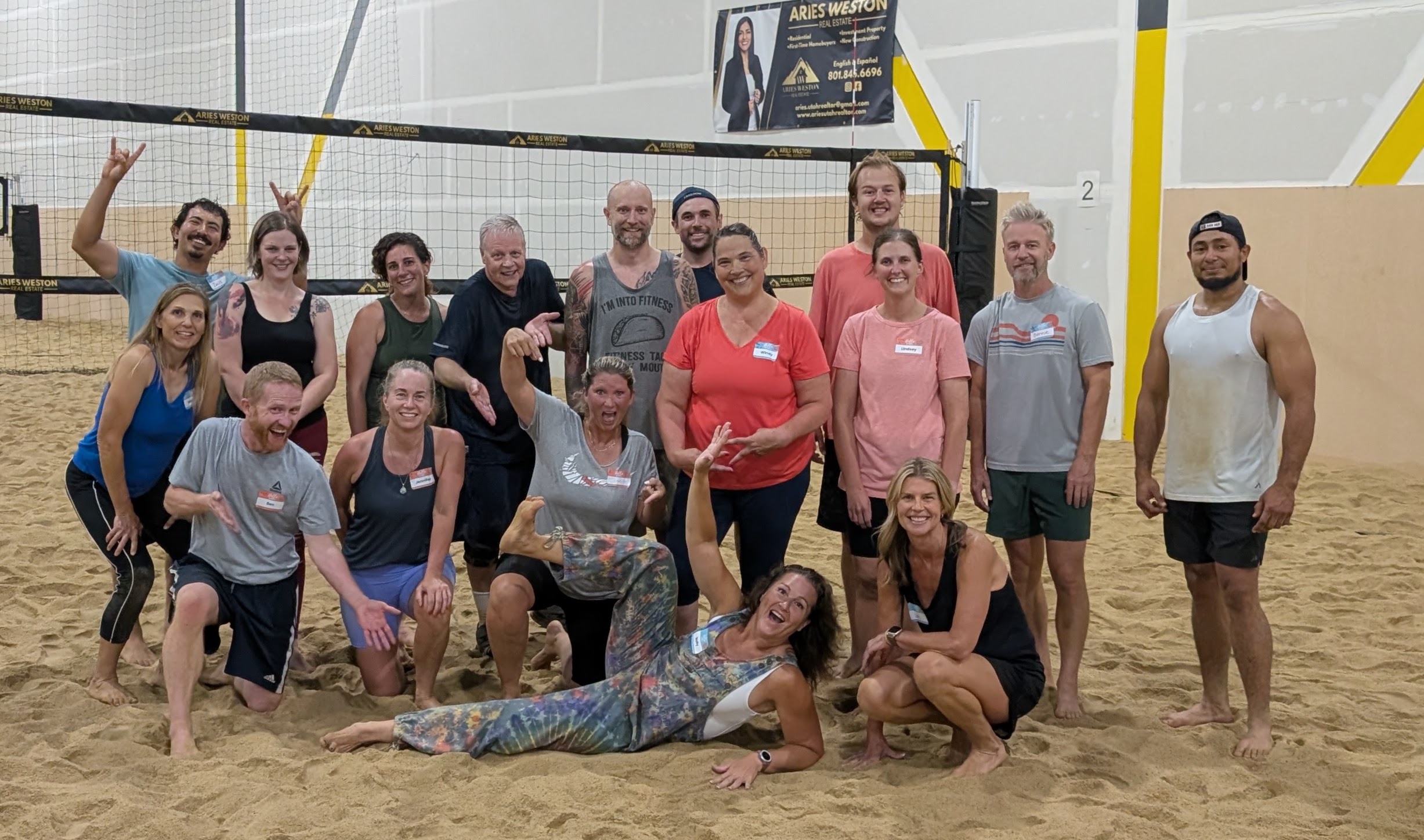
That’s one reason our Have You Met? Events calendar includes such different experiences. For some people, play is volleyball, hiking, running, or another physical challenge. For others, it’s painting, trivia, comedy, games, music, exploring somewhere new, or attempting a scavenger hunt with people they just met.
The activity matters because it attracts people who are interested in doing something you already enjoy, or something you’re curious enough to try.
That gives you an immediate point of connection.
If you’re trying to meet friends as an adult or hoping to meet singles in real life, I think one of the most useful questions is simply: What would I genuinely enjoy doing even if I didn’t know who I was going to meet?
Start there.
Why Play Will Be a Big Part of Have We Met? Live
This same philosophy is shaping Have We Met? Live, our three-day national experience for single adults coming to Westgate Las Vegas Resort & Casino March 30 – April 1, 2027.
We’ll have keynote speakers and conversations with substance, but we’re also building plenty of opportunities for people to actually do things together. There will be movement, games, entertainment, activities, challenges, parties, shared experiences, and room for spontaneous fun.
Because bringing a lot of single adults to Las Vegas and telling them to network with one another would miss the point.
I’d rather give them reasons to laugh.
Give them something to figure out together. Give them a team to join. Give them an experience worth talking about the next morning. Give them opportunities to see each other as actual people before deciding what kind of connection might be there.
Maybe it becomes a date. Maybe it becomes a friendship. Maybe it becomes the group of people you end up exploring Vegas with for the rest of the weekend.
That’s the fun part. We don’t have to decide the outcome before we start.
Go Do Something Together
Making friends as an adult takes time, and meaningful connection rarely appears because we tried really hard to have a meaningful conversation with a stranger.
Sometimes we make it much more complicated than it needs to be.
Go for the hike. Join the volleyball game. Paint something questionable. Play bingo. Run the 5K. Take the class. Accept the scavenger hunt assignment and become oddly competitive about it.
Do something you enjoy around people you haven’t met yet, and give yourselves something to experience together.
The activity may not be the point.
But it can be a pretty great place to begin.